 Patient Portal
 Online Bill Pay
 Patient Forms
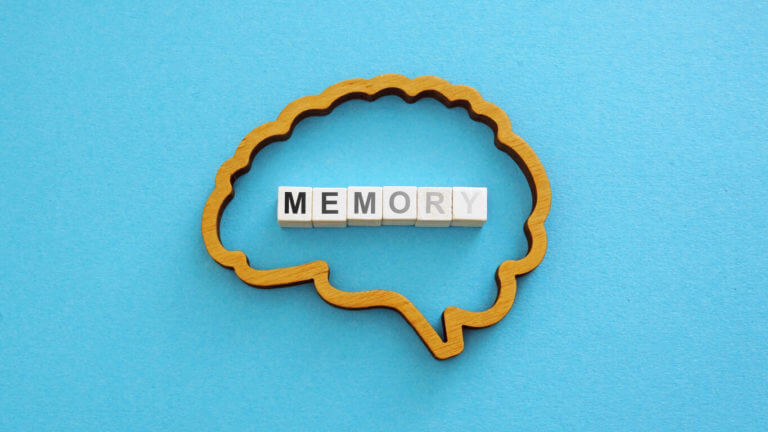
Various medical treatments, including medications, cognitive therapies, and lifestyle interventions, have been shown to improve memory and cognitive function. These approaches aim to address both the underlying causes of memory issues and to reinforce overall brain health.
In short,
- Effective memory care starts with a thorough medical evaluation to identify the underlying cause of cognitive decline.
- Treatment may combine prescription medications, cognitive rehabilitation, and lifestyle changes for the best results.
- Realistic outcomes often focus on stabilizing function and slowing decline rather than reversing memory loss entirely.
If you are concerned about your memory, you are not alone. According to the CDC, about 1 in 10 adults aged 45 and older reports worsening memory loss, and 1 in 4 reports caring for someone with a cognitive impairment.
If you have searched for an improve memory treatment near you, you are already taking an important first step. Medical treatments for memory work best when they are tailored to the person and the underlying cause.
This article explains the common reasons memory falters, how doctors evaluate cognitive concerns, the treatment options available, and what you can realistically expect along the way.
Common Causes of Memory Problems
Memory loss is a symptom of an underlying condition, not a disease itself. Since some causes of memory loss are reversible, pinpointing the specific cause is the essential first step in determining the appropriate treatment.
For example, neurodegenerative conditions like Alzheimer’s disease cause a gradual decline in memory and cognitive function. According to the Alzheimer’s Association, it is the most common form of dementia, affecting an estimated 7.4 million Americans aged 65 and older.
Other common contributing factors include:
- Mild cognitive impairment (MCI): A noticeable decline in memory that is greater than expected for age but does not yet interfere significantly with daily life.
- Vascular issues: Reduced blood flow to the brain, often linked to high blood pressure, diabetes, or stroke.
- Reversible causes: Vitamin deficiencies (especially B12), thyroid disorders, medication side effects, sleep disorders, depression, and anxiety can all impair memory.
- Lifestyle and stress factors: Chronic stress, poor sleep, and substance use can interfere with concentration and recall.
Because the right treatment depends entirely on the source of the problem, self-diagnosing can delay effective care. A professional evaluation brings clarity.
Medical Evaluation and Diagnosis
A proper diagnosis is the foundation of memory treatment. When you visit a specialist, the goal is to understand both the nature of your symptoms and their root cause.
What to Expect During Your Visit
The evaluation is collaborative and thorough. Your care team will typically gather information through several steps:
- Detailed medical history: Reviewing your symptoms, medications, family history, and daily routines.
- Neurological examination: Assessing reflexes, coordination, balance, and sensory function.
- Cognitive testing: Standardized assessments that measure memory, attention, language, and problem-solving.
- Laboratory tests: Bloodwork to check for vitamin deficiencies, thyroid imbalances, and other reversible factors.
- Imaging studies: MRI or CT scans to examine brain structure and rule out other conditions.
This comprehensive approach helps your doctor distinguish between treatable causes and progressive conditions, ensuring your plan targets the real issue.
Treatment Options That May Help Improve Memory
Once a diagnosis is established, your physician can recommend an individualized plan. Most effective strategies combine more than one approach. Below are the primary categories of care.
Prescription Medications
For certain conditions, medications can help manage symptoms and support cognitive function. These are prescribed and monitored carefully based on your specific diagnosis.
- Cholinesterase inhibitors: Often used for Alzheimer’s disease, these medications support communication between nerve cells by maintaining higher levels of certain brain chemicals.
- NMDA receptor antagonists: May be prescribed for moderate to severe dementia to help regulate brain activity involved in learning and memory.
- Targeted treatment of underlying conditions: Addressing thyroid disorders, B12 deficiency, or depression can sometimes restore memory function when these are the cause.
Your doctor will discuss benefits, possible side effects, and how to monitor your response over time. Always follow your prescriber’s instructions.
Cognitive Rehabilitation and Training
Cognitive rehabilitation is a structured, therapist-guided approach designed to strengthen memory skills and build practical coping strategies. Rather than treating the brain chemically, it trains it.
These programs may include:
- Memory exercises that target recall and recognition.
- Strategies for organization, note-taking, and routine-building.
- Use of memory aids such as calendars, reminders, and apps.
- Support for caregivers to reinforce skills at home.
Cognitive training is often most effective in the early stages of memory decline and works well alongside medical interventions to improve memory treatment near you.
Non-Prescription and Complementary Support
Some patients explore supplements or complementary therapies. While certain nutrients, such as B vitamins or omega-3 fatty acids, may support brain health, evidence varies, and supplements are not a substitute for medical care.
Always discuss any over-the-counter products with your doctor first, as some can interact with prescription medications.
Lifestyle Interventions That Support Memory Treatment
Improve memory treatment near you works best when paired with healthy daily habits. Lifestyle changes can enhance brain resilience, support neuroplasticity, and complement prescribed therapies.
Evidence suggests these habits may help protect cognitive function:
- Regular physical activity: Aerobic exercise improves blood flow to the brain and supports overall health.
- Brain-healthy nutrition: Diets rich in vegetables, whole grains, lean protein, and healthy fats benefit cognition.
- Quality sleep: Consistent, restful sleep allows the brain to consolidate memories.
- Stress management: Techniques such as mindfulness, breathing exercises, and social connection reduce the cognitive impact of chronic stress.
- Mental stimulation: Reading, puzzles, learning new skills, and staying socially engaged keep the mind active.
These changes are not a cure, but they create the conditions in which medical treatment can be most effective.
When to Seek Care
Occasional forgetfulness is a normal part of life. However, certain signs warrant a professional evaluation. Consider scheduling an appointment if you or a loved one experiences:
- Memory loss that disrupts daily activities or work.
- Difficulty completing familiar tasks or following conversations.
- Frequently misplacing items or getting lost in familiar places.
- Confusion about time, place, or recent events.
- Noticeable changes in mood, personality, or judgment.
Seeking care early matters. The sooner a cause is identified, the more options may be available, especially when the cause is reversible.
What Results Can You Realistically Expect?
Setting realistic expectations is an important part of improve memory treatment near you. For many conditions, the goal of treatment is to stabilize cognitive function, slow decline, and improve daily quality of life rather than fully restore lost memory.
Keep these points in mind:
- Progress is often gradual. Many patients notice changes over three to six months rather than immediately.
- Consistency matters. Ongoing adherence to medications, therapy, and lifestyle changes supports lasting benefit.
- Reversible causes may improve significantly. When memory loss stems from a treatable factor like a vitamin deficiency, outcomes can be very encouraging.
Your care team will track your progress through regular assessments and adjust your plan as needed. Open communication about side effects, concerns, and goals leads to the best outcomes.
Frequently Asked Questions (FAQ)
Below, we have compiled answers to some of the most commonly asked questions to help you as you search for improve memory treatment near you.
What is improve memory treatment near me?
Improve memory treatment involves a range of evidence-based strategies and interventions designed to enhance cognitive function, manage symptoms of memory decline, and improve overall brain health.
Treatments may include cognitive exercises, dietary recommendations, lifestyle adjustments, and, in some cases, medication or therapy.
Who is a good candidate for memory treatment?
Anyone experiencing concerns about memory loss, difficulty concentrating, or other cognitive challenges may benefit from memory treatment. It is particularly helpful for individuals noticing early signs of memory decline or those with risk factors such as a family history of cognitive conditions.
How long does it take to see results from memory treatment?
The timeline for noticeable results varies depending on the individual and the specific treatment plan. Some patients may begin to see improvements within a few weeks, while others may require several months of consistent intervention.
Improve Memory Treatment Near Farmington Hills, Novi, and Howell, MI
Memory concerns deserve careful, compassionate, and professional attention. With an accurate diagnosis and a personalized plan, many people find meaningful ways to support their cognitive health and protect their independence.
If you have been searching for an improve memory treatment near you, Associates in Neurology can connect you with specialists who will develop a personalized, evidence-based plan to address your specific needs.
Call us at (248) 478-5512 or use our online appointment request form to schedule a consultation. Taking the first step today can make a meaningful difference for your future.
