
Involuntary muscle spasms can make daily tasks physically exhausting. Dystonia causes muscles to contract uncontrollably, leading to painful, awkward postures that disrupt work, sleep, and overall quality of life. Fortunately, advanced clinical treatments are available to manage these symptoms and restore daily function effectively. Botulinum toxin (Botox) injections are a primary and highly effective treatment
Read MoreBlog
Medical Treatments That Help Improve Memory
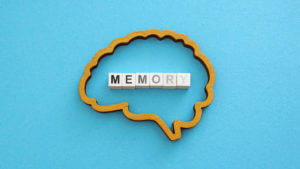
Various medical treatments, including medications, cognitive therapies, and lifestyle interventions, have been shown to improve memory and cognitive function. These approaches aim to address both the underlying causes of memory issues and to reinforce overall brain health. In short, Effective memory care starts with a thorough medical evaluation to identify the underlying cause of cognitive
Read MoreCerebral Palsy Treatment Myths vs. Facts

Understanding the distinction between myths and facts about cerebral palsy treatment is crucial for making well-informed decisions. In short, Early intervention plays a pivotal role in improving the quality of life and maximizing potential benefits for individuals with cerebral palsy. Personalized treatment plans tailored to each patient’s unique needs are essential for effective management of
Read MoreHow Can Novi Residents Find Migraine Treatment?

For residents of Novi, MI, finding effective migraine treatment is crucial for managing symptoms and improving quality of life. In short, Effective migraine treatment in Novi, MI, can reduce the frequency and severity of attacks. Treatment options range from medication and lifestyle changes to advanced therapies. A migraine specialist can develop a personalized plan to
Read MoreShort-Term Memory Treatment for Seniors: What Works Best?

In short: Early assessment for short-term memory loss improves outcomes. Personalized plans can enhance memory in seniors. Support is available for seniors, and every treatment plan may look different depending on their needs. Navigating concerns about short-term memory and finding the right short-term memory treatment for a loved one can feel overwhelming. For many seniors
Read MoreWhen to Seek Professional Treatment to Improve Memory?

In short, knowing when to seek treatment to improve memory is crucial for maintaining cognitive health and quality of life as you age. Distinguish normal from concerning. Understanding the difference between typical age-related forgetfulness and signs of serious decline is the first step toward getting help. Identify early warning signs. Recognizing symptoms like getting lost
Read MoreWhat Causes Short-Term Memory Loss Problems?

In short, short-term memory loss can be caused by the following: Medical Conditions: Issues like infections or head injuries often cause memory trouble. Lifestyle Choices: Lack of sleep or poor diet can impact how you think. Aging: Natural changes in the brain can make learning new things harder. Have you ever walked into a room
Read MoreWhat Causes Short-Term Memory Loss Issues?
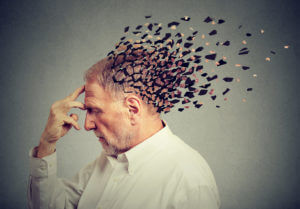
In short… Short-term memory loss is the difficulty in remembering recently learned information. While the condition affects all ages, it is more common in older adults. Consulting with a skilled doctor can assist you in determining the cause and exploring management strategies. Understanding Short-Term Memory Short-term memory loss refers to difficulty in recalling recently acquired
Read MoreA Communication Guide for Supporting a Loved One with Short-Term Memory Loss

In short, Effective communication strategies help maintain connection and reduce frustration when supporting someone with short-term memory loss. Simple modifications to how you communicate can significantly improve daily interactions and quality of life. Professional evaluation and treatment can address underlying causes and provide targeted interventions for memory concerns. Understanding Short-Term Memory Loss Short-term memory loss
Read MorePhysical Therapy Techniques for Chronic Muscle Spasm Treatment

In short, Physical therapy can significantly reduce muscle spasm frequency and intensity. Various techniques exist, tailored to the spasm’s cause and location. Early intervention offers better long-term outcomes for chronic spasms. Finding effective chronic muscle spasm treatment can greatly improve your quality of life. Muscle spasms are involuntary contractions that can cause pain, tightness, and
Read More